This website is available in Hindi or English language



Chambal Valley, Rajasthan - Land of History, Mystery and Nature
Chambal Valley, Rajasthan - Land of History, Mystery and Nature #india #nature #chambal #kota #blog #rajasthan
9/8/20255 min read
Chambal Valley, Rajasthan - Land of History, Mystery and Nature
Introduction
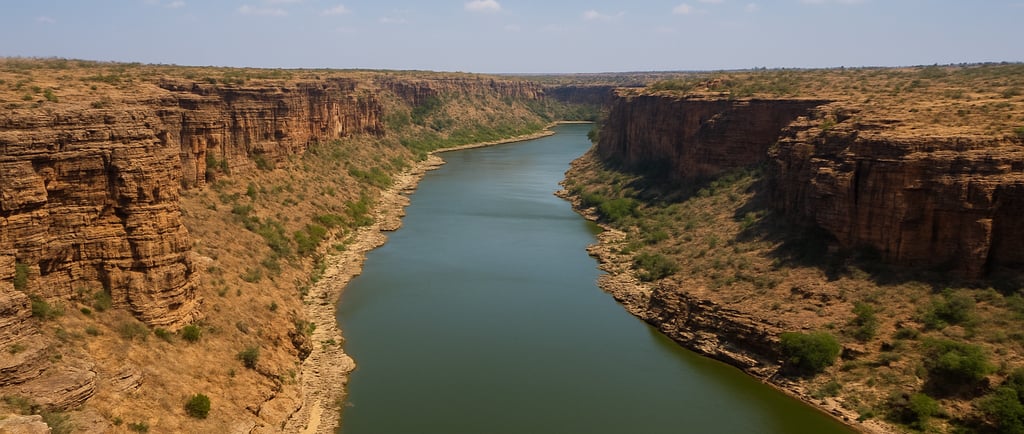
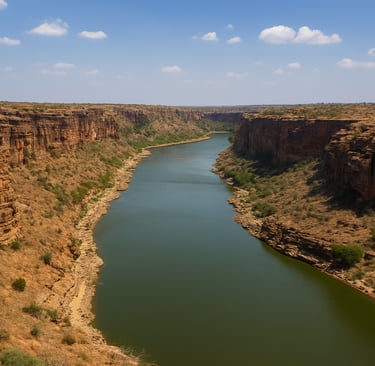
The Chambal Valley, which spreads in Rajasthan, Madhya Pradesh and parts of Uttar Pradesh, is one of the most tricky areas in India. Famous for its ravines, robber history and unique biodiversity, it remains an attractive destination equally for travelers, historians and environmentalists. Once associated with fear and crime, today it stands as a symbol of flexibility, ecological prosperity and cultural heritage. This article examines the geography, history, myths, natural resources, socio-political changes and tourism capacity of the Chambal Valley in Rajasthan and beyond. It engulfs the development of the region with a frightened hideout for a sanctuary for wildlife and a growing tourist attraction. Geography and landscape The Chambal Valley is marked by the rugged areas and deep ravines that have been shaped of soil erosion for centuries. The landscape consists of gullies, dried patches and fertile strips of the land with the Chambal River, which flows from the heart of the valley. The unique topography of the valley has made it difficult to access, which contributes to its historical reputation as a shelter for a bandit. The soil in this area is loose and sandy, which quickly disappears due to air and water.
The result is the formation of ravines like deep, maze which extends to miles. The climate of the valley is classified as semi-drying, with warm summer, sparse rain and coolers. Despite the harsh climate, the Chambal River maintains agriculture and supports the local settlements scattered with its banks. historical background The Chambal region holds an important place in the ancient and medieval history of India. It was once known as "Charmanavati", and its references appear in Hindu texts such as Mahabharata. According to legends, the region was ruled by King Shakuni, and it is said that the river was cursed by Draupadi, resulting in its separation and unpublished state. For centuries, Chambal became a safe shelter for travelers, traders and rebels, seeking refuge from political upheaval. Its strategic place made it a challenge and an opportunity equally an opportunity for rulers and invaders. Age of robber The dark history of Chambal is closely connected to the bandit. During the 19th and 20th centuries, the Valley became infamous to be the house of some of the most notorious dastores (bandits) in India. The most famous names were Phoolan Devi, Man Singh and others, whose life was filled with violence, difficulty and resistance against the authorities. The ravines provided an ideal area for ambush, whereabouts, and escape, making it almost impossible to reach them for law enforcement.
Local communities often lived in fear, but also shared a complex relationship with the bandit, sometimes offering them shelter or sympathy. Although there has been a decrease in robber activity in recent years, the legacy of these bandits remains an integral part of Chambal's identity. Legends and myths Chambal is not only known for its rugged landscape, but also for its legends. Stories have been passed through generations, which speaks of souls wandering in deep trenches at night, the mysterious feels that the hills resonate in the hills, and terrible lights above the river. These stories, whether really or in the folklore, connect the mystery of the valley. Local residents believe that the previous dacoits and the souls of the passengers who were killed in the wild terrain still roam the ground. Ecology and Wildlife The ecological significance of the Chambal Valley is deep. The Chambal River is one of the cleanest rivers in India, free from industrial pollutants and urban sewage. This creates an important habitat for endangered species. Gross and crocodile The National Chambal Sanctuary is a protected area that is home to rare species like Gheral (a crocodile species), Marsh crocodile and other reptiles. The houses, with their long narrow snout, are insecure to be particularly extinct, and the sanctuary has seen significant efforts in breeding and conservation. Recently, it was reported that more than 1,186 crocodile hatching was born in the sanctuary, showing the success of wildlife conservation efforts.
These efforts are a source of pride for local communities and environmentalists. Dolphins and birds The river also supports the population of the endangered Ganges Dolphin, which depends on clean, deep water. The region is a shelter site for various migrant and resident bird species, which makes it a prominent place for bird viewers and researchers. Flora The surrounding forests and scrublands are homes of medicinal plants, grasses and bushes that support both livestock and wildlife. Despite human encroachment, efforts are on to restore and protect this biodiversity. Modern challenges Although Chambal's past is full of stories of bandit and rebellion, its present is equally complicated. The region is now struggling with new forms of crime and illegal activity. Recent reports have surfaced about AK -47 training camps in remote ravines, run by organized gangs associated with infamous criminal networks. This highlights the enforcement of law enforcement and the continuous challenges of governance in a difficult region. Additionally, deforestation, illegal mining and pollution threatens the delicate ecosystem of the region. Balancing development with protection is one of the challenges pressured for the authorities. Tourism and cultural heritage Today, Chambal is becoming a growing attraction for eco-tourists, photographers and cultural explorers. Several initiatives have been initiated to promote permanent tourism by preserving the legacy and ecology of the region. Major attraction National Chambal Sanctuary - For Wildlife Enthusiasts. Ravin Landscapes - ideal for adventure seachers and photographers. Local fairs and festivals - where travelers can experience traditional music, art and crafts. Historical forts and temples - the remains of an era scattered across the valley. Local life The people of Chambal are known for their flexibility and hospitality. Agriculture, animal husbandry and handicrafts make the backbone of the local economy. Tourists visiting the area have the opportunity to join with local artisans, learn about traditional agricultural techniques and sample regional cuisine. Conservation effort Many NGOs, government bodies and international organizations are working to preserve the biodiversity of Chambal and improve the lives of its inhabitants. Wildlife rescue program for crocodile and river dolphins. Picture patrolling to prevent poaching. Community awareness programs educate local people about permanent practices. The initiative of environmental-perception that is to generate income while protecting the environment. These efforts not only benefit wildlife, but also help to uplift local communities to provide employment and promote education. Infrastructure and access Despite being remote, Chambal is accessible to connect it to major cities like Kota, Gwalior and Agra via road network. Several eco-relaxes and homestay have been installed to accommodate tourists, although the infrastructure requires improvement. There is a challenge to develop transport, healthcare and communication services without disturbing the ecological balance of the valley.
The Future of Chambal Valley The Chambal Valley stands at a crossroads between its past and a promising future. The heritage of the bandits is being seen gradually with conservation and sustainable development efforts. The ability to promote responsible tourism, strengthen wildlife protection laws and improve local livelihood, Chambal has the ability to become a model to balance human progress with ecological protection. Its unique combination of history, myth and nature makes it a treasure that is waiting for people who respect its past and take care of its future. conclusion The Chambal Valley is more than a shelter for the bandit - it is a survival, ecological surprise and a living will for the human soul. Caring stories of rebellion for their ancient river supporting endangered species, Chambal kept layers of mystery, beauty and flexibility. For researchers, travelers, historians and environmentalists, Chambal provides a unique experience. It is an area that teaches us about the fragility of the ecosystem, the complexities of human society and the permanent power of nature. If you plan to detect this remarkable valley, prepare well, respect local communities, and walk lightly to ensure that Chambal's legacy is growing for generations to come.