This website is available in Hindi or English language



Introduction: Gwalior Fort – A Haunted Heritage in Madhya Pradesh
Historical Overview of Gwalior Fort The Mystery of the Ghost in White – Who is He? Real Sightings: Eyewitness Accounts of Paranormal Activity The Dark Corridors and Tortured Souls of Gwalior Fort Haunted Tunnels: Stories from the Underground Chambers Paranormal Investigations: Evidence or Imagination? Historical Events Behind the Hauntings Why Do People Believe Gwalior Fort is Haunted? Common Paranormal Experiences Reported by Visitors Cultural Influence: How Ghost Stories Shape Local Beliefs Tips for Exploring Gwalior Fort Safely Photography and Night Tours – What You Should Know Famous Haunted Forts in India: How Gwalior Fort Compares Conclusion: Fear, Fascination, and the Legacy of Gwalior Fort
9/8/20255 min read
Introduction: Gwalior Fort – A Haunted Heritage in Madhya Pradesh
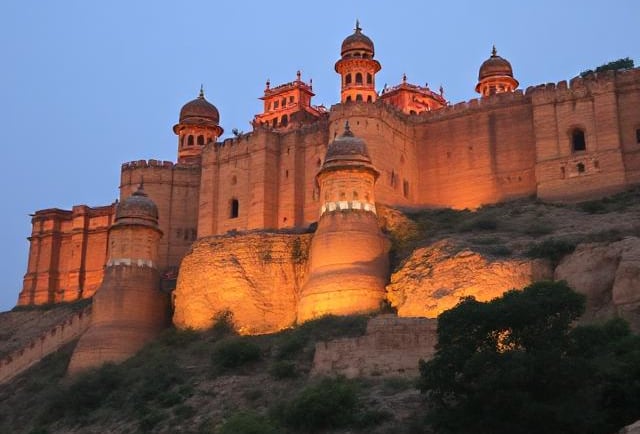
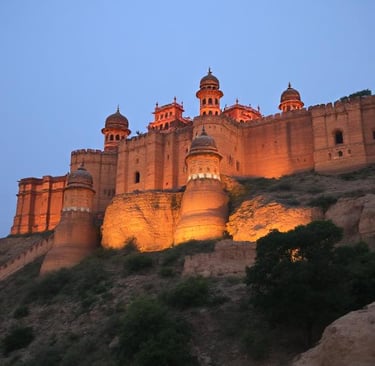
Gwalior Fort is situated above a rocky hill in Madhya Pradesh, not only an architectural miracle, but also in mystery, fear and supernatural stories. Spread over 3 kilometers, this royal fort has seen centuries of fighting, royal conspiracy and cultural grandeur. Nevertheless, despite its historical significance, the terrible reputation that attracts many visitors today - especially the stories of ghost philosophy, inexplicable events, and dull presence of torture souls.
In many supernatural stories associated with the fort, one stands out: a mysterious figure in a white dress. Local and visitors evenly encounter this ghostly figure, which deviates dark corridors, stairs and shady tunnels within the ancient walls of the fort. Whether these stories are in fact, folk songs, or collective imagination, they have helped the location of Cement Gwalior Fort among the most haunted places in India.
Historical Overview of Gwalior Fort
Before discovering ghostly narratives, it is necessary to understand the historical significance of the fort. The origin of Gwalior Fort is at least of the 8th century, although some scholars believe it was first built in the 6th century. Over time, it came under control of various rulers, including tomards, Mughals, Maratha and Scindia. The strategic place of the fort made it a symbol of a precious military stronghold and political power.
The architecture of the fort depicts a mixture of Hindu and Mughal effects, with palaces, temples, water tanks and scattered war in its vast campus. Some of the most famous structures include Man Temple Palace, Gujari Mahal and mother -in -law Bahu Temple. Fort-like routes, secret rooms, and underground tunnels added their aura to the aura of the mystery-the perfect settings to flourish the stories of the blessings.
The Mystery of the Ghost in White – Who is He?
One of the most widely reported paranormal stories reported from the Gwalior Fort contains a man who is completely dressed in white color. The witnesses described him to see him wandering in the dim corridors of the fort, sometimes quietly stands near the fundamentalist or disappear in the path of stone.
Real Sightings: Eyewitness Accounts of Paranormal Activity
There is no documented historical identity for this figure, but many popular explanations exist:
A soldier who died in the war: Some believe that the ghost is the feeling of a warrior who lost his life while defending the fort during many siege.
A royal attendant: Others say that the clarity belongs to a servant or priest from the royal court, who ruins the hall after betrayal or murder.
A restless soul stuck in Limbo: Most chilling accounts suggest that ghost is a tortured soul that is unable to find peace, which is bound to the fort's shadow forever.
Views reported
Many visitors and locals have described their encounters:
Late night wandering men disappear on contacting the white shape near the corridors of the temple palace.
The explorers entering the hidden tunnels reported the hearing, sometimes after a glimpse of the white cloth brushing the previous stone walls.
Security guards and caretaker working in the night shifts stare empty in space in terms of sudden chill, terrible voice, and a yellow shape.
The Dark Corridors and Tortured Souls of Gwalior Fort
The dark tunnels of the fort are often associated with horrific legends. Some routes are once used to carry prisoners, weapons or treasures, now considered to be haunted by the souls of those who were killed there. Local stories scream echoing through the stone walls, suddenly droplets in temperature, and unexplained shade moving in the passage.
Haunted Tunnels: Stories from the Underground Chambers
The tunnels are believed to be used during war, imprisonment and execution. Some claim that the soldiers were alive or trapped during the raid, their souls were now tied to the labyrinth corridors. Others say that the tunnels were used by the royal families to hide from the invaders or to avoid the plots of murder, leading to a legacy of fear and despair.
Paranormal Investigations: Evidence or Imagination?
Whispering: Many have reported to hear the sounds of Hush in the long -forgetful languages, as the souls of previous warriors are still plotting or mourning their fate.
Footstaps resonating without a source: The maps are heard even when the corridors are empty, a phenomenon is often quoted by paranormal investigators.
Sudden clarity: Many have reported a glimpse of mild data moving rapidly through walls or stairs.
Historical Events Behind the Hauntings
Local guide story
Ramesh, a local guide, who spent years spent in narrating the history of the fort, recalled an experience once:
"A winter evening, a group of tourists and I was searching for the old palace wing. As soon as we entered a narrow corridor, the temperature suddenly dropped.
Ramesh insisted that such philosophy is not new. "Every few weeks, someone sees him," he says. "Even security guards have reported strange incidents at night."
Security guard experience
Another security guard, Mahendra, shared:
"I had been posted here for years, but some nights are different. The lights are flickering without any warning, and sometimes I listen to the maps echoing from anywhere. Once, I saw a white shape near the stages of the old temple. I called out, but there was no answer. It disappeared quickly."
Why Do People Believe Gwalior Fort is Haunted?
Many upcore research groups have visited the Gwalior Fort to document their supernatural claims. Using night-vision cameras, electromagnetic field (EMF) detectors and audio recorders, they have reported:
Common Paranormal Experiences Reported by Visitors
Strange temperature ups and downs
Unexplained shadow captured on video
Crying and whispering during late night investigation
There is a padyatra and door without physical cause
While skepticists argue that chronic structures naturally produce such events due to wind currents, cracky floors, or animal movements, believers insisting that the nomadic reputation of the fort is supported by recurring experiences.
Cultural Influence: How Ghost Stories Shape Local Beliefs
Gwalior Fort's sad past is immersed in the war, bloodshed and betrayal - fertile land for supernatural legends.
Siege and fight
The fort changed hands several times, with the Mughals and beyond it. The wars claimed thousands of people, and many soldiers are likely to die within the walls.
Execution and imprisonment
The accounts talked about limiting prisoners in underground chambers, tortured, and executed - the correct breeding basis for tamasic souls.
Royal betrayal
In the history of the fort, the intrigue, betrayal and power struggles of the court are woven. Apart from ambition, families may have given rise to restless souls seeking peace.
Why do people believe that the fort is haunted
Dark architecture
Fort architecture - with its narrow corridors, hidden chambers and shady stairs - contributes to an atmosphere for fear and imagination.
Cultural story
Legends are passed from generation to generation. Children grow up to hear about souls and clarity, strengthening a collective belief.
Psychological impact
Searching for ruins till late night in cold weather and silence enhances someone's senses. Even a slight movement or sound can be misunderstood as supernatural.
Authentic experience
Unlike the stories of the fabricated ghosts, the haunted reputation of Gwalior Fort has been supported by continuous reports from local people, guards and visitors for decades.
Tips for Exploring Gwalior Fort Safely
It is necessary to contact with respect and caution for people eager to detect the haunted corridors of the Gwalior Fort.
✅ Travel during daylight for safety.
✅ rent a reliable guide familiar with the layout and stories of the fort.
✅ Avoid wandering in restricted or unsafe areas.
Stay calm if you experience unusual events.
✅ To incite or disrespect the site anytime - it is historical and spiritually sensitive.
Conclusion: Fear, Fascination, and the Legacy of Gwalior Fort
The haunted reputation of Gwalior Fort is not only the story of souls, but a reflection of its deep historical scars. From ancient battle to royal betrayal, its walls whisper to sorrow and incomplete stories. The man's view in the white is one of his most permanent legends - a ghost figure wanders the dark corridors, quietly looks at those who dare to enter its domain.
For historians, fort is a treasure of art, architecture and culture. For thrills, it is an esoteric portal for India's supernatural learning. For local people, it is a place of caution and reverence, where fear and attraction mix in a complex relationship with the past.