This website is available in Hindi or English language


Pangong Tso
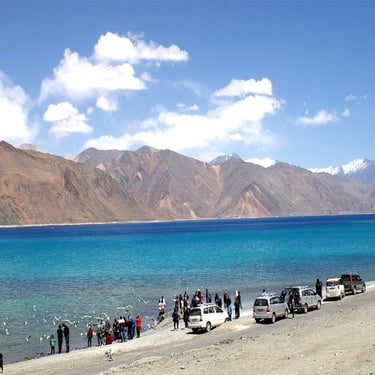
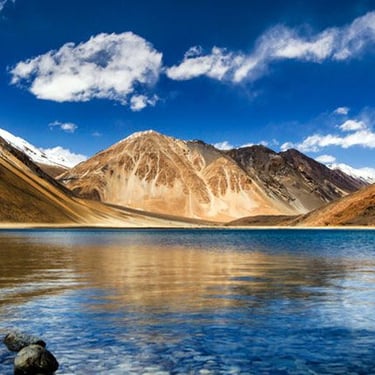
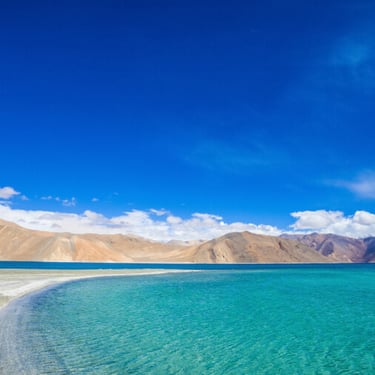
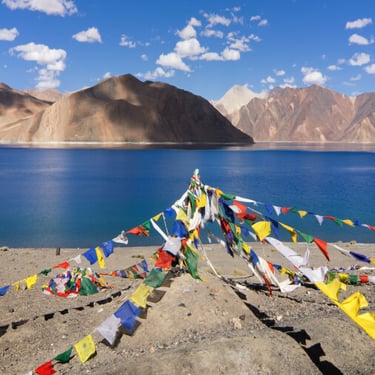
Pangong Tso, Ladakh: a mirror for the sky Introduction: Where the earth meets the sky Located between the tall, robust mountains and the infinite sky in the Indian Himalayas, it is a place, so it feels like a dream - Pangong Tso. Also known as Pangong Lake, this enchanting water mass is not just a geographical surprise; It is a feeling, a feeling, a sacred silence that wraps around your soul. From the surface of its flicker, from the ever -changing color tone -night sapphire to the magnificent turquoise pangong TSO varies from just one lake. It is a canvas of nature's best artistry, brushed by Winds of Ladakh and kissed the sun 14,270 feet above sea level. Whether you are a passenger, looking for peace, chasing a photographer light, or a soul in search of something deep, Pangong TSO offers not only in the scenario but also inside. Geography: a lake over the clouds Pangong TSO (pronunciation "Pang-Gong So") is located in the Union region of India at an altitude of 4,350 meters (14,270 feet). Svredet over 134 kilometers long, the lake extends from India to Tibet (controlled by China), making it an international water organ. Around 60% of the lake is in Tibet, while the rest of the Indian region falls. It is a saltwater lake, a surprising fact that looks at the high height space, and one of the few lakes in the world located at such height of salt water. Despite its salinity, Pangong TSO gathers completely in winter, converting daring and marathon runners from around the world to a huge, white, icy expansion. Colors of Pangong: Nature's Moodboard One of the most magical aspects of Lake Pangong is its dyes. On the same day, you can convert it to emerald green from deep navy blue to crystal cyan, sometimes with gold or purple lines during sunrise and sunset. This phenomenon is caused by the sun's angle, mineral concentration in water and the surrounding mountain reflections. No two pictures of pangong look alike - and no two moments are the same. When you stand on the edge, you will find yourself lost in a color show that is still a deep stirring. A frozen strange: winter quiet beauty Come in winter, Pangong Tso turns into a solid ice sheet. The temperature falls to -25 ° C, and the winds barely cut, but those who visit during this time are rewarded from places that do not describe the words. In fact, the lake is now hosting the world's tallest frozen sea marathon, where athletes run 21 km on ice to raise awareness of climate change. The sound of crushing the frozen lake, slice of cold air through breath - this is a real experience that dares anything, but no one forgets. Getting there: the road for pangong The journey to Pangong TSO is an adventure in itself.
The lake is located about 160 km from Leh, the capital of Ladakh. The route takes you to Chang La Pass, which is one of the most motorized passes in the world, and stands at 5,360 meters.
You will drive through dramatic valleys, small Ladakhi villages, Yakbeite and rocky deserts. Changing area is a visible party - every turn and something new. But the real reward is that the first glimpse of the lake of the mountain's comb - where pangong is suddenly visible at a distance, such as a hidden sapphire pearl is unveiled by nature. Tip: Indian citizens require an internal line permit (ILP) to travel to Pangong. Foreign tourists can go with a group and permission obtained through the travel agencies registered at Leh. Wildlife and ecosystem: Life around life
Despite its tough conditions, Pangong supports TSO a delicate but live ecosystem. The lake is home to many species of migratory birds, especially in the summer.
Peel your eyes: Bar led geese Brahmi Duck (Rudy Sheldex) Black throat crane Seagle These birds arrive from the distant country to breed near the beach of the lake. The region is also inhabited by the marmer, Kiangs (Tibetan wild donkey), and sometimes in the surrounding boundaries. No fish survive in salt water, but on the edges micro-ecosystems are rich in wisdom and algae, which support birds and biodiversity. Borderline Lake: Between two worlds Pangong Lake is not only beautiful - it is politically important. It is located along the Real Control line (LAC) between India and China. Over the years it has seen stress, distribution of quota and international focus. Despite this, tourism has flourished-special Bollywood blockbuster "3 idiots" painted its now identical climax in the sea. The Spangian village has a popular stop for "3 idiots point" selfie, completed with yellow scooters for rent and theme cafes. However, passengers must remember that they are near an active military area. Some areas are outside lymph, and photography can be banned in sensitive places. Pangong Village: Meet the people in the mountains With the lake you will find small settlements such as: Spangmik: The most common base for tourists. Lukung: The first village near the lake on arrival from Leh. Mark and man: offbeat and low tourism, ideal for lonely applicants. These villages offer basic houses and tent camps run by local families. Living here gives a chance to experience traditionally Ladakhi life - drinking butter, sleeping in stone houses and waking the sound of beaning flags. The best time to travel: When Pangong smiles bright Summer (May to September): Lake is available, the weather is lighter (0 ° C to 20 ° C), and all camps/hotels are open. Autumn (October): Smaller tourists, clear skies, dramatic colors. Winter (November to March): Hard, with a fall to a temperature -30 ° C. Ideal for photographers, adventures and frozen lathe marathon. Note: The lake is inaccessible during heavy snowfall or obstacles in Chang LA. Always check local travel advisors. Thing to do pangong tso Although there are no adventure parks or boat trips (to preserve its ecology), Pangong provides many experiences: Photography: Each frame is an excellent work. Stargazing: Night Sky Crystal is clear; You can see a Milky Way with naked eyes. Camping: Stay from the lake in environmentally friendly tents. Bird watching: A treatment for wildlife enthusiasts. Mindfulness and meditation: It is not spiritual because it is calm. It is spiritual because it speaks. Responsible Travel: Become a Guardian of Beauty Pangong TSO is fantastic - but also delicate. Over-tourism, plastic waste and climate change threaten its holiness. How to help: Avoid plastic: Take refillable bottles, not clothes. Use ECO combat: Select locals and stability supporting homes. Honor Silence: No loud music, no respect. Follow permits and rules: Respect military areas and nature. Let yourself be a mark on your heart's heart, not on the ground. Mythology and Culture: Legends in the Mountains In Tibetan and Ladakhi Viddya, lakes are often seen as saints. Pangong is believed to be blessed by parent souls who see the water. Local people say that the lake has a mood -some times calm, sometimes angry. It is also a symbol of inequality - a theme is deeply inherent in Buddhist philosophy. Colors change, ice melts, silence change - but what life is the essence of amazement and peace. Travel tips Height disease: LeH acclimatis for 2 days before you leave. What to pack:
Warm clothes (even in summer) Sunglasses and sunscreen
ID and permission Power bank Connection: Limited to all mobile coverage; BSNL can work on site. Medical: Take basic medicine; The nearest hospital is in Leh. Conclusions: Ladakh's soul Pangong TSO is not just a destination. It is an intimate fracture in an otherwise chaotic world. When you stand on the banks, you don't just see beauty - you feel it. The way you leave you. It is a place that learns silence, expresses gratitude and moist for your ego. Where you don't just take pictures - you take memories, reflection and sometimes answers. So if you ever surprise yourself to contact nature, with life or with yourself -to contact Pangong. Let the lake whisper its ancient mysteries. Let the air forward your concerns. Let the mountains show you how small you are - and how beautiful it is